
Most organisations have the policies, the frameworks and the remediation requirements documented. The hard part has always been knowing whether any of it is true in practice.
Continuous Controls Validation closes that gap. It connects validated vulnerabilities directly to the policies and obligations they affect, so security, risk and compliance teams can see exactly where real-world exposure is creating compliance risk.
The compliance visibility gap
Compliance is usually measured on a schedule, while security changes every day. A framework can be satisfied on audit day and breached a week later, and most teams have no continuous way to tell the difference.
Security teams also tend to manage vulnerabilities separately from governance and compliance teams. That separation leaves a gap between technical risk and business obligation, and the gap is where audit findings and regulatory surprises come from.
Why a vulnerability matters to compliance
A vulnerability is a technical fact. A compliance obligation is a business commitment. The trouble starts when nobody is connecting the two.
An exposed admin interface or a missed remediation deadline is not only a security issue. It can be a direct breach of an internal control or a regulatory requirement. Until that link is made, the same finding looks routine to a security team and invisible to a compliance team.
Introducing Continuous Controls Validation
Continuous Controls Validation enables organizations to upload their information security policies, secure development standards and governance requirements directly into the Edgescan platform. Continuous Controls Validation also supports ISO, CyFun, OWASP ASVS and more.
Edgescan then maps validated vulnerabilities from across the attack surface against those obligations, and identifies where real-world weaknesses violate internal controls, remediation SLAs or compliance requirements. Static governance documentation becomes a set of controls that are measured continuously.
How AI reads your policies and controls
Policies are written for people, not parsers. They describe controls, obligations and remediation requirements in language that varies from one organisation to the next.
Edgescan uses AI to interpret that language, extract the controls and obligations it contains, and map validated findings against them. The result is a clear view of policy violations, failed controls, missed remediation obligations and compliance gaps, drawn from your own documents rather than a generic checklist.
Validated findings, real compliance context
Compliance reporting is only as trustworthy as the data behind it. False positives erode that trust quickly, and a single bad finding can send a compliance team chasing a problem that does not exist.
Every vulnerability in the Edgescan platform is validated, which removes false positives. So when Continuous Controls Validation flags a policy breach, teams can act on it as a genuine failure rather than a maybe.
The enhanced AI insights experience
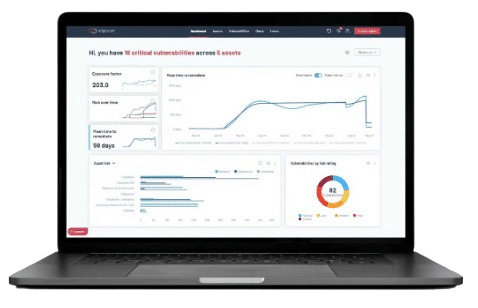
Continuous Controls Validation is delivered within an enhanced AI insights experience, designed to make policy violations, compliance exposure and remediation priorities easier to understand.
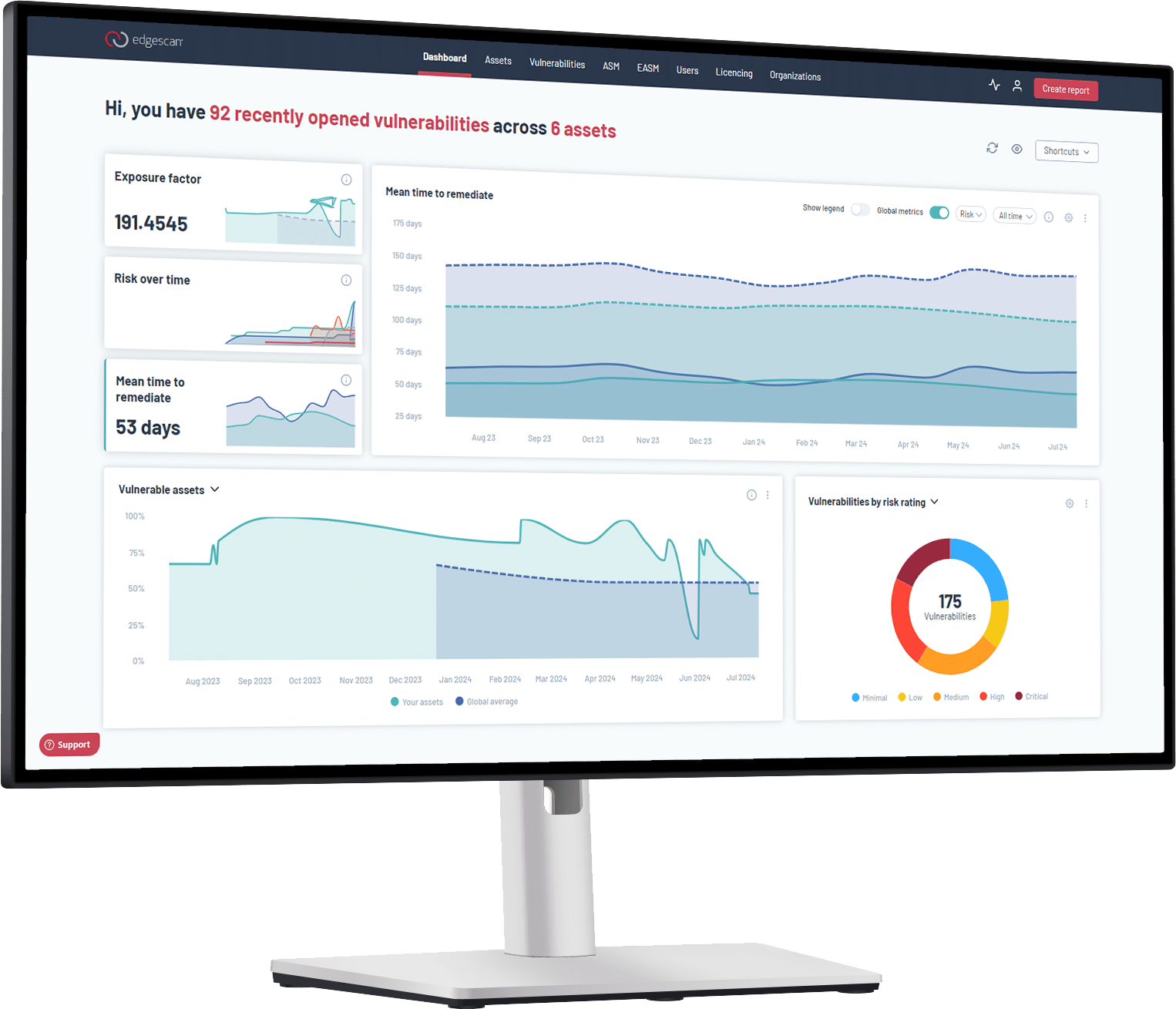
The updated interface gives security, risk and compliance teams clearer visibility into compliance impact, so the path from finding to action is shorter.
Why this matters for security, risk and compliance teams
For security teams, it adds governance context to the risk they already manage. For compliance teams, it replaces manual evidence gathering with continuously validated proof. For leadership, it turns scattered findings into a clear view of where exposure is creating regulatory and business risk.
Compliance reporting shows what should be happening. Continuous Controls Validation shows what is actually happening.
To see how Edgescan turns your policies into continuously validated controls, request a demo.