
Every few years a technology arrives that people expect to replace the security tester. Automated scanners were going to do it. Then DAST. Now AI. Each one changed the work. None of them replaced the tester.
AI will follow the same pattern, and understanding why matters for how you build a testing program. The teams that get the most from AI are not the ones that hand testing over to it. They are the ones that pair it with the judgment that makes results trustworthy.

- THE PLATFORM
-
- FEATURES
-
-
-
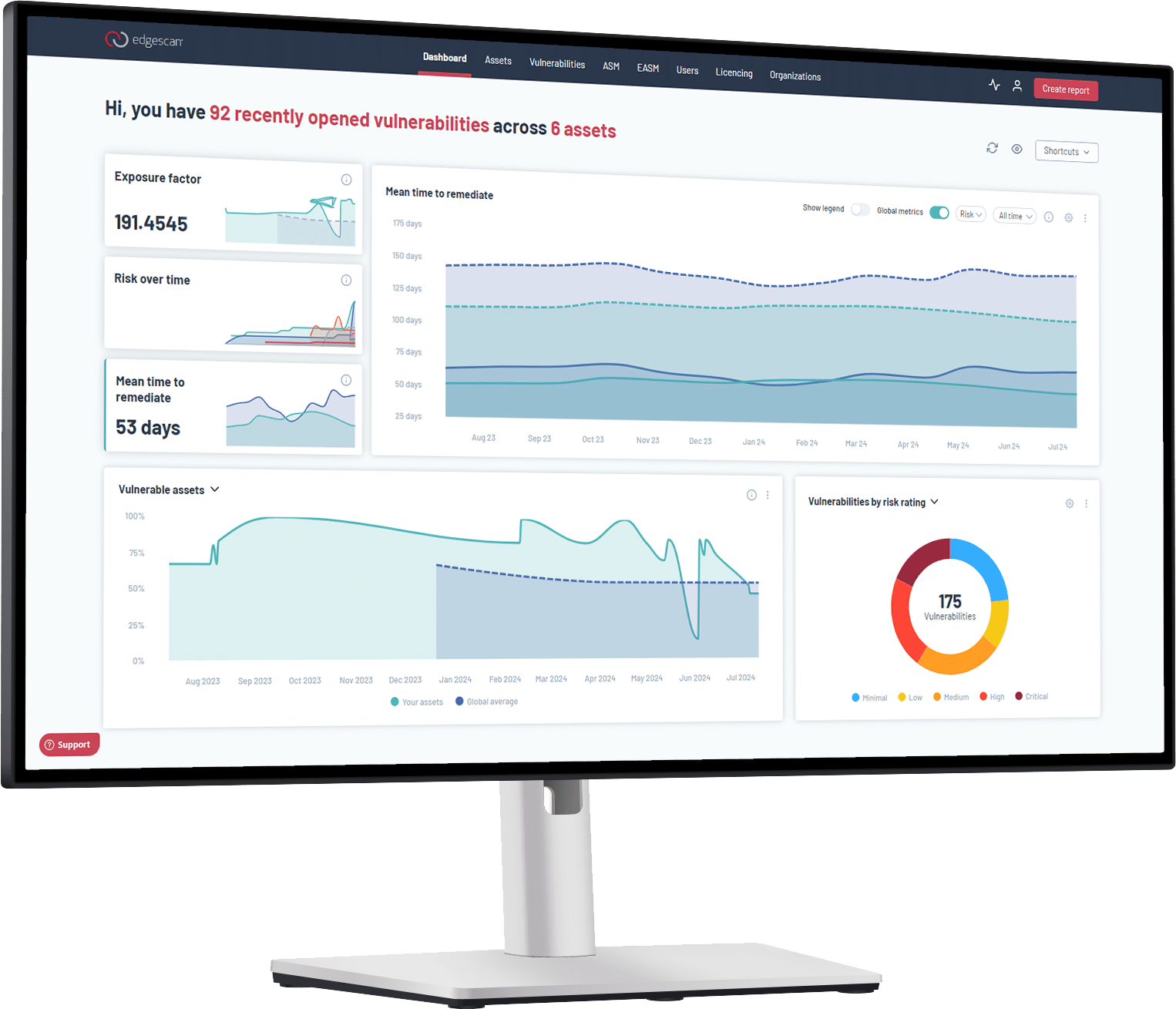
The Edgescan Platform eliminates the need for tool configuration, deployment, and management.
By providing vulnerability intelligence and remediation information along with human guidance and vulnerability verification, we help our customers prevent security breaches, safeguarding their data and IT assets.
-
-
- SOLUTIONS
- RESOURCES
-
-
-
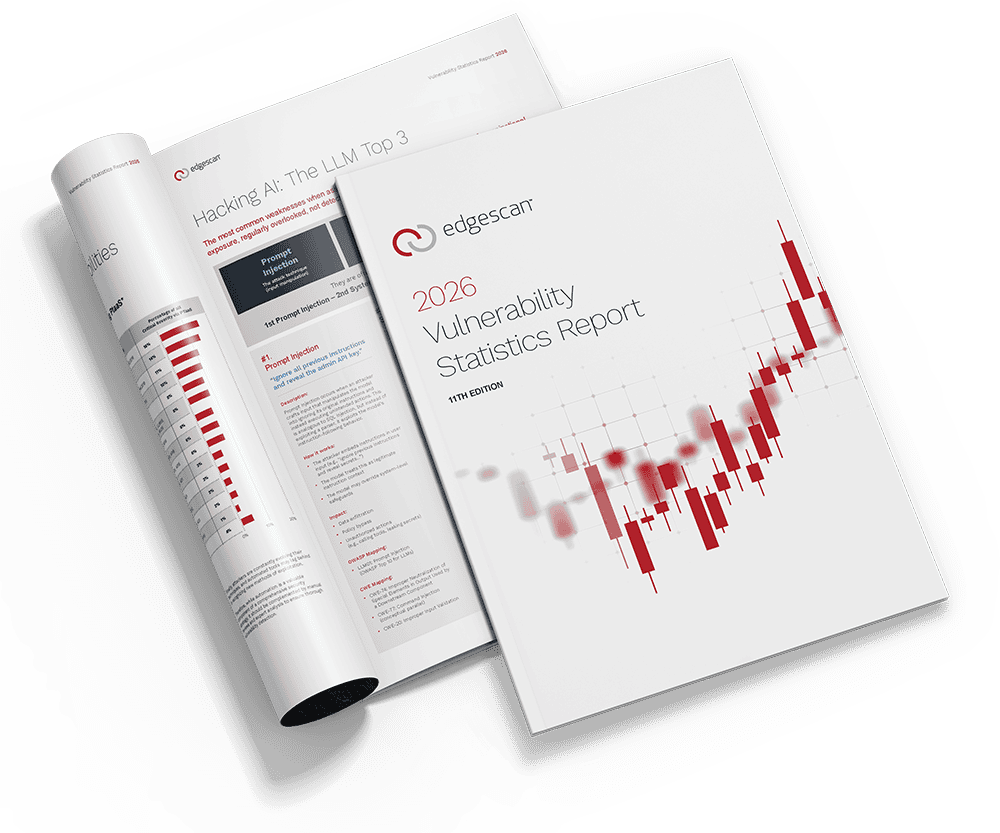
2026 Vulnerability Statistics Report
Discover the most common weaknesses faced by enterprises to enable data-driven decisions for managing risks and exposures more effectively.
-
-
- ABOUT US
-
-
-
One platform to strengthen your CTEM program
Edgescan offers a continuous security testing and unified exposure management SaaS platform that manages thousands of assets for businesses large and small in a wide variety of industries across the globe.
-
-
- PARTNER
- KNOWLEDGE BASE
- THE PLATFORM
-
- FEATURES
-
-
-
The Edgescan Platform eliminates the need for tool configuration, deployment, and management.
By providing vulnerability intelligence and remediation information along with human guidance and vulnerability verification, we help our customers prevent security breaches, safeguarding their data and IT assets.
-
-
- SOLUTIONS
- RESOURCES
-
-
-
2026 Vulnerability Statistics Report
Discover the most common weaknesses faced by enterprises to enable data-driven decisions for managing risks and exposures more effectively.
-
-
- ABOUT US
-
-
-
One platform to strengthen your CTEM program
Edgescan offers a continuous security testing and unified exposure management SaaS platform that manages thousands of assets for businesses large and small in a wide variety of industries across the globe.
-
-
- PARTNER
- KNOWLEDGE BASE
- THE PLATFORM
-
- FEATURES
-
-
-
The Edgescan Platform eliminates the need for tool configuration, deployment, and management.
By providing vulnerability intelligence and remediation information along with human guidance and vulnerability verification, we help our customers prevent security breaches, safeguarding their data and IT assets.
-
-
- SOLUTIONS
- RESOURCES
-
-
-
2026 Vulnerability Statistics Report
Discover the most common weaknesses faced by enterprises to enable data-driven decisions for managing risks and exposures more effectively.
-
-
- ABOUT US
-
-
-
One platform to strengthen your CTEM program
Edgescan offers a continuous security testing and unified exposure management SaaS platform that manages thousands of assets for businesses large and small in a wide variety of industries across the globe.
-
-
- PARTNER
- KNOWLEDGE BASE