
Most organizations can tell you what their security policies say. Far fewer can tell you whether those policies are being met right now.
That gap is where compliance risk lives.
Compliance is measured in moments
Audits happen on a schedule. Once a year, once a quarter, organization’s assess compliance against frameworks such as ISO, NIS2, CyFun, and OWASP ASVS alongside their own internal security policies and governance requirements. The controls are reviewed, the evidence is gathered and a report confirms the organization is in good standing.
Then the report is filed, and the environment carries on changing. New services ship. Configurations drift. Vulnerabilities appear across the attack surface. None of it waits for the next audit window.
So the question worth asking is a simple one. What was true on audit day, and what is true today?
The gap between audits
Security moves daily. Compliance, for most organizations, is still measured periodically.
Between those two speeds sits a blind spot. A control can fail the week after sign-off and stay failed for months, because nothing is continuously checking whether real-world exposure still matches the policy on paper.
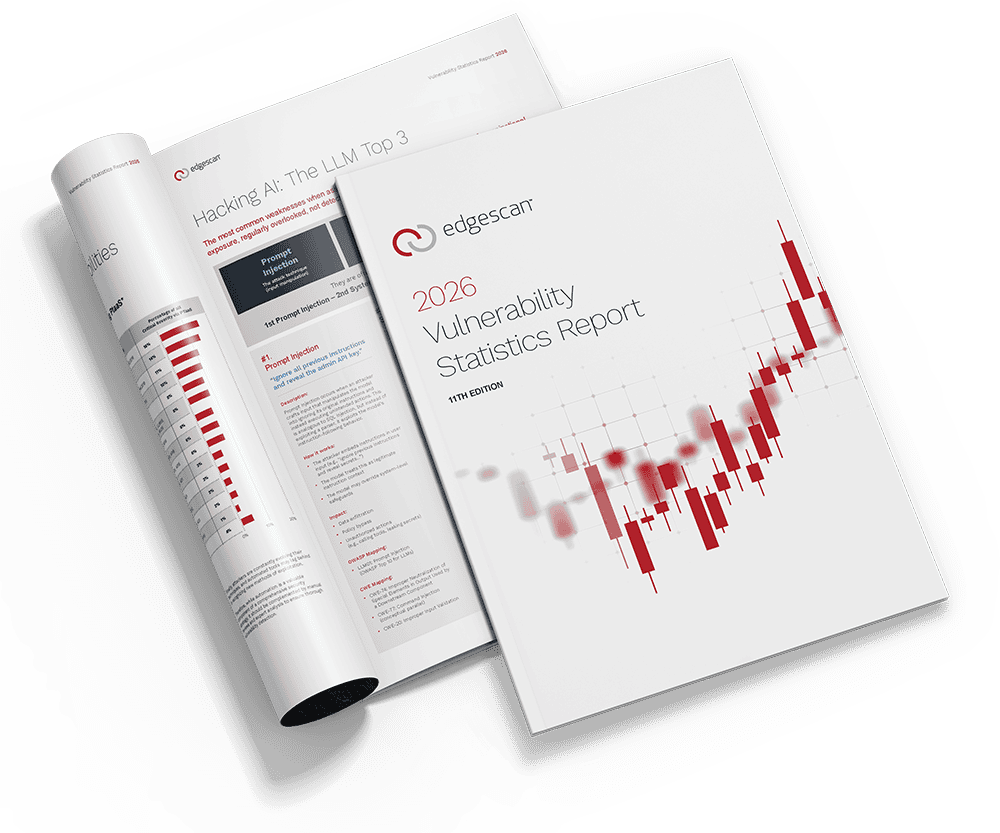
Edgescan’s 2026 Vulnerability Statistics Report puts a number on how long these gaps can stay open. PCI-related failures across the full stack take an average of 134.3 days to remediate. That is more than four months in which a documented control requirement and the live environment quietly disagree.
Hidden control failures are still failures
A policy that is written, approved and filed feels like a solved problem. But a policy only reduces risk when the controls behind it are actually working.
Point-in-time assessments were never designed to catch failures as they happen. They confirm a position at a single moment, then leave teams to assume that position holds until the next review.
Most security and compliance teams already sense this. What they lack is a way to see the gap continuously, rather than discovering it during the next audit, or during an incident.
A different way to think about compliance
What if compliance wasn’t something proven once a year, but something visible at any moment?
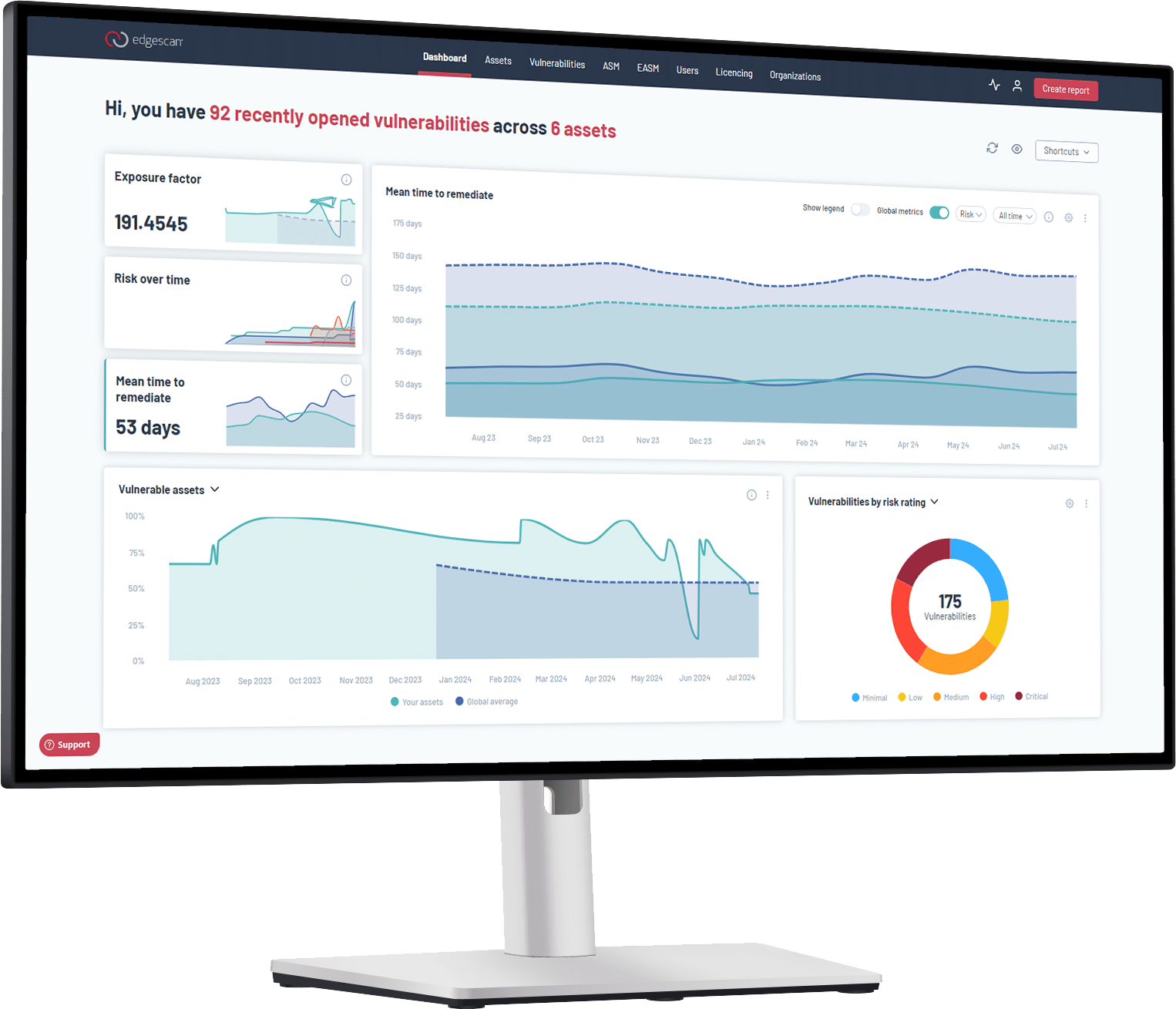
That is the idea behind continuous validation. Instead of treating policies as static documents, it measures live, validated security findings against the controls those documents describe, so the gap between intended posture and actual posture becomes visible as it forms.
There is an AI component to how this works, and it changes what compliance reporting can tell you. The full picture is coming shortly.
Continuous Controls Validation arrives on 30 June. To see it first, request a demo.