
An audit captures a single moment. By the time the report is signed, the environment it describes has already moved on.
That is not a criticism of audits. It is a reminder that the work they describe is continuous, while the audit itself is not.
The problem with annual compliance reviews
Annual and quarterly reviews give a clear picture of compliance on the day they are run. The problem is what happens on every other day.
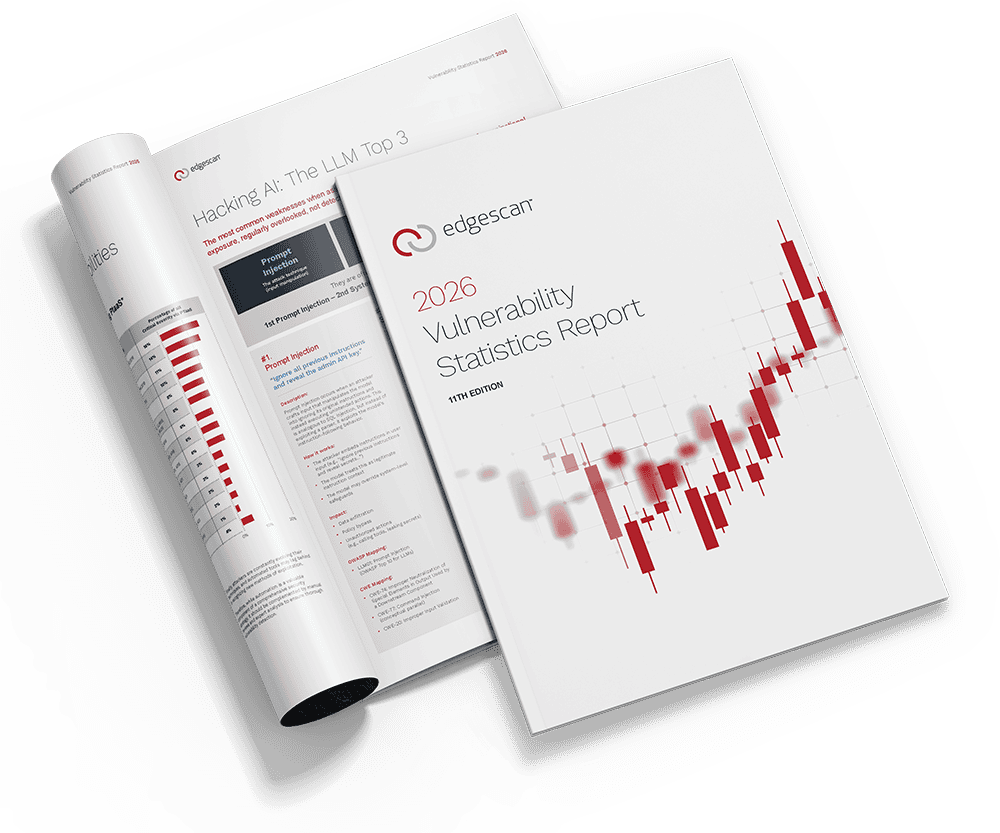
Edgescan’s 2026 Vulnerability Statistics Report found that the average high or critical severity vulnerability takes 54.8 days to close. PCI-related failures across the full stack take an average of 134.3 days. A review held months apart simply cannot see what is open in the windows between.
Where the gaps come from
Point-in-time assessments confirm a position, then leave teams to assume it holds. Manual evidence collection is slow, and by the time it is gathered, the environment has changed again.
Security and compliance teams often work from different systems, so a finding that breaches a control can sit in one queue while the obligation it affects sits in another. The result is hidden control failures and real-world compliance risk that nobody is watching in real time.
Continuous Controls Validation in action
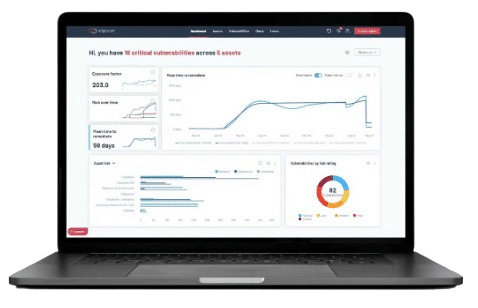
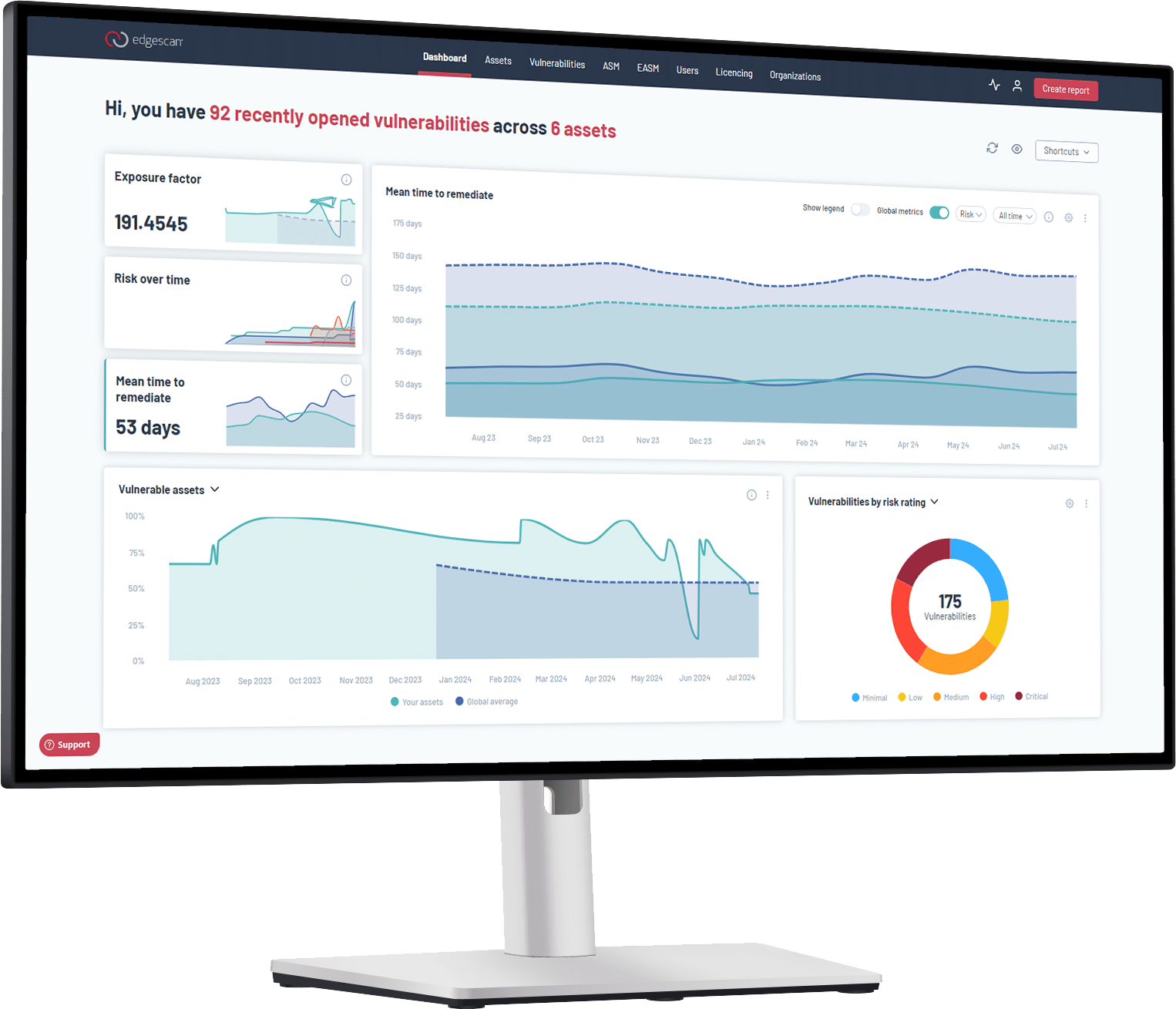
Continuous Controls Validation removes the wait. It maps validated vulnerabilities against your policies and controls continuously, so a breach of a control or a remediation SLA is visible the moment it occurs, not at the next review.
Because every finding is validated, the evidence is defensible. Auditors and compliance teams get a clear, continuously updated link between a specific weakness and the policy or control it affects, instead of a snapshot that is already out of date.
How AI helps prioritise what matters
Not every vulnerability carries the same governance weight. A finding that breaches a business-critical policy or a regulatory requirement deserves attention before one that does not.
Edgescan uses AI to read your policies and map findings to the controls they affect, then prioritises remediation on governance and compliance impact, not technical severity alone. Teams spend their time on the failures that actually move compliance risk.
From point-in-time to continuous assurance
The biggest compliance risk is rarely failing an audit. It is assuming you are compliant in all the time between audits.
Continuous Controls Validation replaces that assumption with continuous, validated proof, and gives leadership a clear view of where exposure is creating governance and regulatory risk.
To see how Edgescan keeps your compliance evidence current between audits, request a demo.