

September is when this question should come up. Most teams ask it in November, and that’s the problem. By then, testing windows are tighter and there’s less time to scope, schedule, remediate, or retest before end of year.
The honest answer depends on what’s driving the requirement. For some organizations, a year-end test is mandatory. For others, it’s habit. Knowing which one you’re in changes how urgently you need to act.
Four things usually drive it
Compliance is the most common. PCI DSS, ISO 27001, SOC 2 and increasingly DORA and NIS2 all reference testing on a defined cycle. Worth checking the actual date your obligation is tied to. It’s often your certification anniversary, not December 31.
Cyber insurance is the second. Renewals now come with detailed questions about testing, and underwriters want evidence rather than assurance. If your policy renews in January, your evidence needs to exist before then.
Customer requirements are the third. Enterprise buyers send security questionnaires, and a recent test report closes them faster than a promise to run one soon. If a renewal or a large deal lands in Q1, the report is part of the deal.
Fourth is your own security program. Boards ask what changed this year. A test gives you a defensible answer.
If none of these apply to you, you may not need a test on this timeline at all. Some organizations run an annual test because they always have, not because anything requires it. That’s worth questioning before you spend the budget.
Why the date matters more than people expect
Here’s what gets missed. The test isn’t the deadline. The fix is.
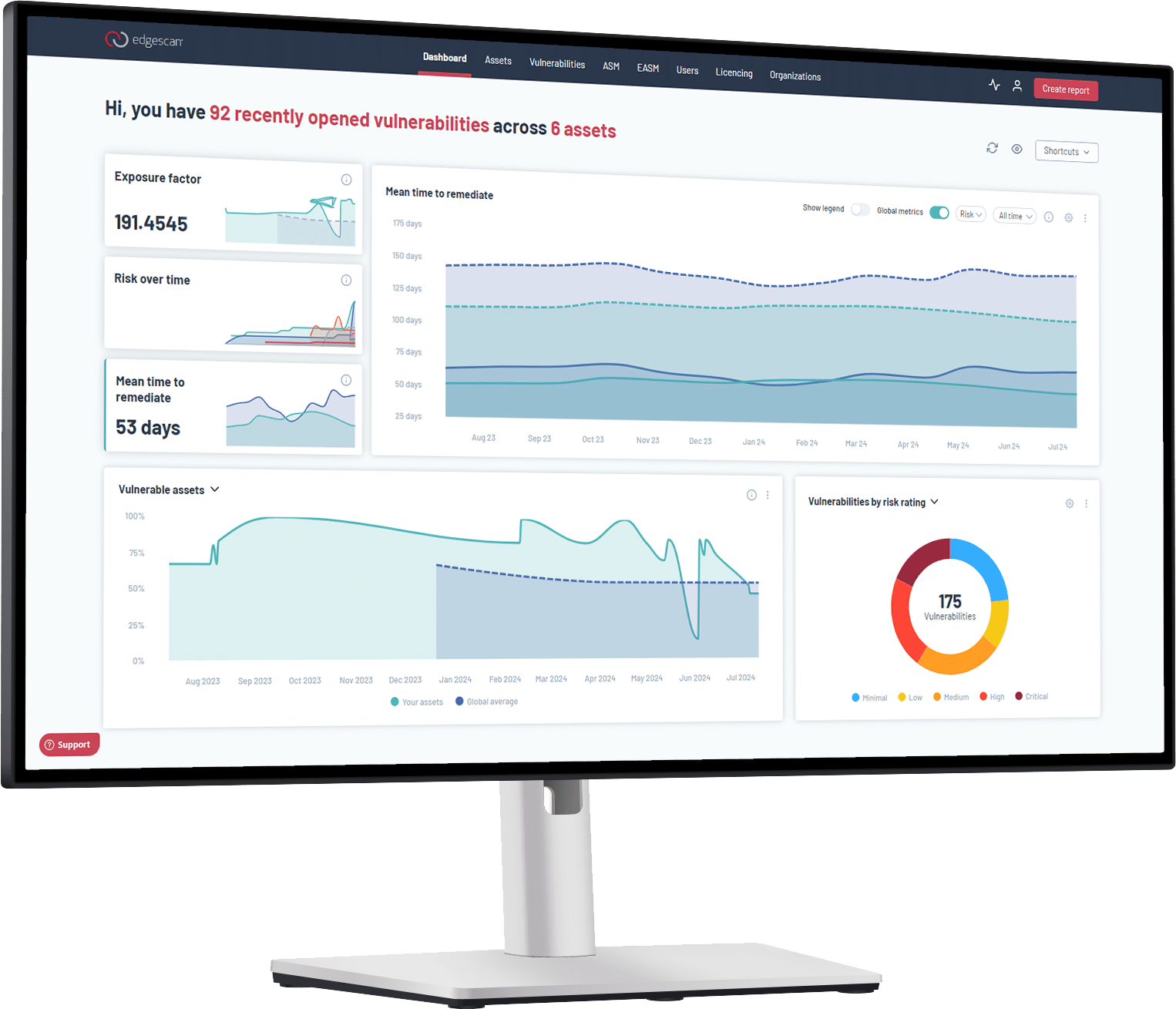
A penetration test produces findings. Findings need remediation, and remediation needs engineering time you don’t fully control. Edgescan data puts mean time to remediate at 54.81 days for high and critical severity vulnerabilities. If you test in late November, you’re asking your development team to close critical issues over the holiday period.
Most of them won’t. So you enter January with an audit-ready report describing problems you haven’t fixed. That satisfies the letter of the requirement and none of the intent.
Testing in September or October gives you a real remediation window. Testing in December gives you a document.
What actually takes time
The testing itself is rarely the long part. The sequence around it is.
Scope has to be defined and agreed. Assets need to be confirmed, credentials issued, testing windows approved. Then testing runs, findings are validated, and the report is written. Then you remediate. Then you retest, because a finding isn’t closed until someone confirms the fix works.
Add procurement and scheduling to that, and waiting until November to start planning can leave you with limited testing availability and little time for remediation and retesting before year-end.
Where continuous testing changes the math
This is the part traditional testing struggles with. An annual test tells you where you stood on one date. It says nothing about the eleven months in between, and it creates an artificial rush every year at the same time.
Edgescan runs penetration testing as a continuous service. Assets are tested on an ongoing basis, findings are validated by our security analysts before they reach you, and retesting is unlimited. There’s no annual scramble because there’s no annual gap.
For teams already in a year end crunch, that also means the first assessment isn’t a standing start. And for teams planning ahead, it removes the question entirely next year.
So, do you need one?
If compliance, insurance, a customer contract or your board requires it, yes. And you should be scoping it now, not in eight weeks.
If nothing requires it, the better question is whether an annual snapshot is the right way to spend the budget at all.
Either way, September is when the call should be made.
Request a demo and we’ll walk through what your year end testing actually needs to cover.